
How are Candles Made?
Most candles are made by placing a wick into wax, then shaping the wax by moulding, dipping, pouring, pressing, rolling or filling it into a container. Modern candle making uses improved equipment and quality checks, but the basic process remains simple and time-tested.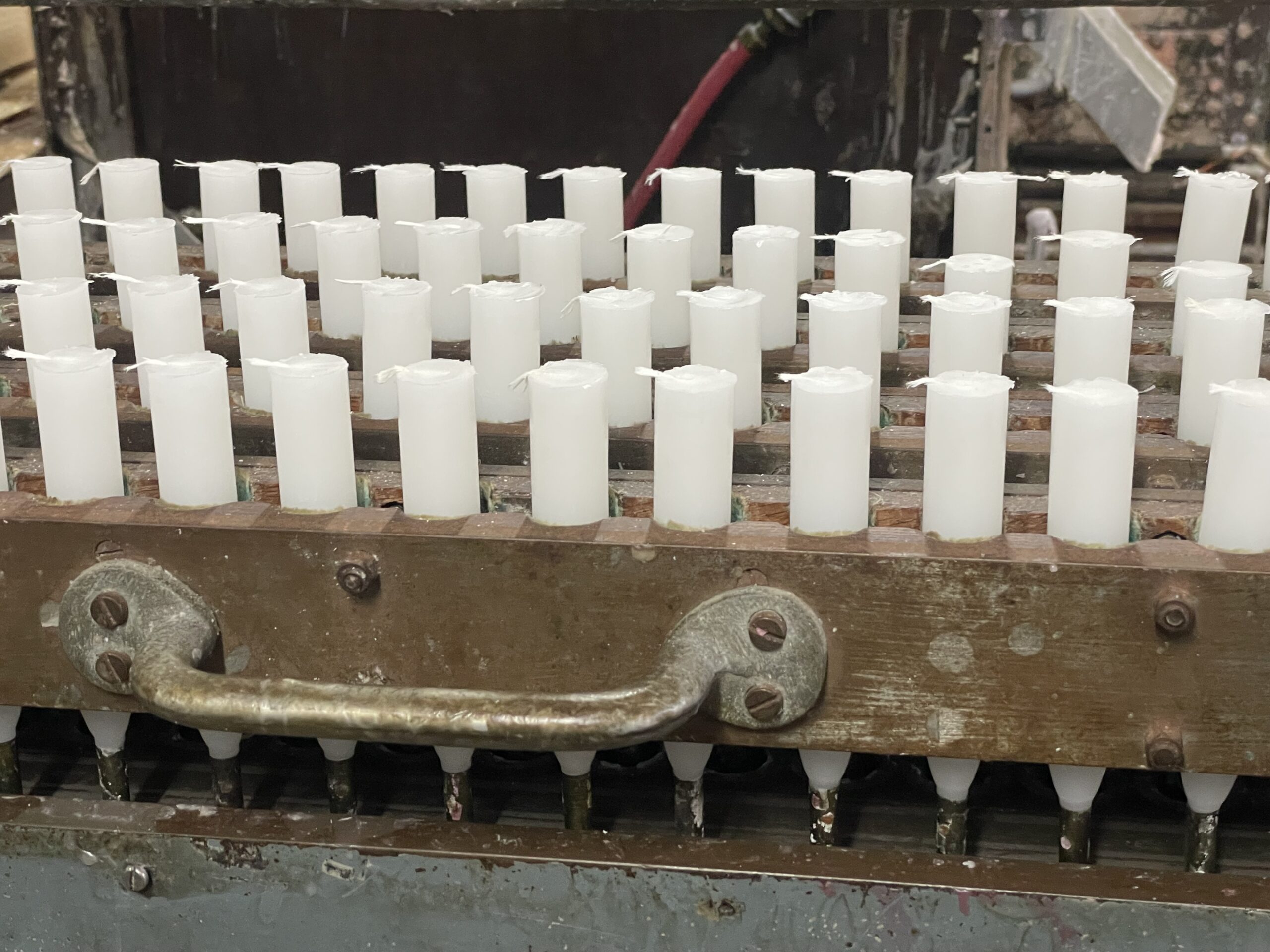
Candles are mainly made from wax and a wick. They may also include colour, fragrance and small performance additives. Common candle types include tapers, votives, pillars, container candles, tea lights, floating candles, outdoor candles, novelty candles, utility candles and birthday candles.
When a candle is lit, the flame melts the wax near the wick. The liquid wax is drawn up the wick, vaporised by the heat, and burned to produce light, heat, water vapour and carbon dioxide.
A quality candle is not always easy to judge by appearance alone. Buy from a reputable candle maker, check the label instructions, and look for a clean finish, a centred wick and packaging that clearly explains safe use.
Paraffin is one of the most common candle waxes. Beeswax, soy wax, palm wax, gel wax and synthetic waxes are also used, often in blends designed for specific candle styles and performance needs.
No single wax is best for every candle. Good-quality candle waxes are selected for the type of candle being made, the desired finish, fragrance performance and burn characteristics.
Follow the burn instructions supplied with your candle, as safe burn times vary by size and style. Extinguish the candle if the flame gets too close to the holder or container. For a margin of safety, discontinue burning a candle when 5mm of wax remains (3mm if a container candle or jar candle).
A properly burning candle should produce very little smoke. Smoking usually happens when the wick is too long or the flame is disturbed by a draft. Trim the wick to about 5mm before each use, keep candles away from drafts and vents, and extinguish the candle if it continues to flicker or smoke. Let it cool, trim the wick, then relight in a draft-free area.
No. The minuscule amount of soot produced by a candle is the natural bi-product of incomplete combustion. Small amounts of candle soot can occur when a flame is disturbed or combustion is incomplete. To minimise soot, keep the wick trimmed, avoid drafts and follow the candle’s burning instructions.
Fragrance oils may slightly affect soot levels, but wick length and flame disturbance are usually the main causes. A well-made scented candle should burn cleanly when used correctly.
Yes. Reputable candle makers use fragrances suitable for candle burning and add them at levels that allow the candle to burn properly. Always use scented candles in a well-ventilated space and follow the label instructions.
Reputable candle manufacturers use only fragrances that are approved for burning in candles. They also carefully monitor the addition of fragrance to ensure that the candle will burn cleanly and properly.
Each candle has a safe fragrance limit. Adding too much fragrance can affect how the candle burns, reduce performance or increase smoking.
Many common candle waxes, including beeswax, paraffin and vegetable-based waxes, are biodegradable. Check the product details to confirm. The vast majority of candles today are made from these waxes.
The likelihood of purchasing a lead-wicked candle in NZ is very low. Lead wicks are not used in quality modern candles and have been banned in many markets (including NZ) for many years. Buy from reputable suppliers and follow the product label for safe use.
Some container candles and votives use metal-core wicks to keep the wick upright as the wax melts. Modern metal-core wicks are typically made with zinc or tin and are designed for safe candle use.
No. Paraffin wax used in candles is non-toxic when used as intended. Quality candle makers select waxes that are suitable for clean, reliable candle performance. In fact, paraffin is approved by the U.S. Food and Drug Administration for use in food, cosmetics, and medical applications. We only use food-grade paraffin for manufacturing candles.
Most people use scented candles without issue, but some fragrances may bother sensitive individuals. If you have known fragrance sensitivities, choose scents carefully and always burn candles in a well-ventilated area.
Candles are safe when used responsibly and according to the manufacturer’s directions. Because a burning candle is an open flame, it should always be monitored and kept away from anything that could catch fire.
– When burning candles, consumers should follow these basic safety rules:
– Keep lit candles within your sight. Never leave a burning candle unattended.
– Never burn a candle on or near anything that can catch fire.
– Keep candles out of the reach of children and pets.
– Trim wicks to about half a centimetre prior to each use.
– Keep candles away from drafts and vents.
– Always use an appropriate candle-holder placed on a stable, heat-resistant surface.
– Read and follow all manufacturer instructions carefully.