
Our practical guide to understanding and using candles for celebrating religious festivals, prayer candles for remembrance and other rituals.
Introduction
Candles have long been used to acknowledge, mark, and celebrate religious festivals and sacred events. Across many religions and traditions, candlelight symbolises prayer, remembrance, hope, togetherness, and the movement from darkness into light.
Golden Glow Candles supplies practical candle options for churches, religious organisations, whānau gatherings, memorial services, and community celebrations throughout New Zealand.
How candles are used in religious life
- Prayer and devotion: Votive and prayer candles provide a visible sign of personal prayer, gratitude, petition, and reflection.
- Remembrance: Memorial candles are often lit for loved ones who have died, or for people who are sick, grieving, isolated, or in need of care.
- Worship and liturgy: Altar candles, sanctuary lamps, Paschal candles, tapers, and processional candles are used in Christian worship and seasonal services.
- Festivals of light: Candles, lamps, lanterns, and diyas help mark celebrations such as Advent, Christmas, Easter, Diwali, Hanukkah, Vesak, Matariki, and other festivals.
- Community gathering: Candlelight creates a sense of stillness, welcome, warmth, and shared intention at vigils, family rituals, and public events.
Prayer candles, remembrance candles, and votive candles
Prayer candles, often called votive candles, are lit as visible signs of prayer, devotion, remembrance, or thanksgiving. In Catholic and wider Christian practice, the flame can represent Christ as the light of the world and the ongoing nature of prayer after a worshipper has left the space.
Candles are also used to remember family members and friends who have died, pray for people who are unwell or in care, and offer an act of support when words are difficult. Simple rituals can include lighting a candle while naming a loved one, praying for healing and peace, gathering around a candle for family remembrance, or creating a prayer station where people can light a candle and write an intention.
Examples of prayers and rituals using candles
The following examples show simple ways candles can be used for prayer, remembrance, support, and reflection. You can adapt these ideas for personal prayer at home, church prayer spaces, or community gatherings.
- Lighting a candle for someone who has died: A person lights a candle, says the name of the loved one silently or aloud, and offers a short prayer. For example, “may they rest in peace, and may their memory be held with love.”
- Prayer for someone who is sick: A candle is lit while praying for healing, comfort, strength, and peace for the person who is unwell, incapacitated, or receiving care.
- Family remembrance ritual: Use a candle as a focal point to gather around and share memories of the person being remembered.
- Prayer station: A candle table can invite people to light a votive candle and write the name of someone needing support, care, or remembrance.
- Anniversary or memorial prayer: On the anniversary of a death, a birthday, or another significant date, a candle can be lit as a sign of continuing love and prayer.
- Prayer before an image or sacred space: A candle may be placed near a cross or icon as a visible sign of devotion, petition, thanksgiving, or hope.
- Quiet candle meditation: A person may sit in silence beside a lit candle, using the flame as a focus for calm, gratitude, and reflection.
Keep these rituals simple and uncomplicated. Even a single candle, lit with care and intention, can become a meaningful sign of prayer, love, and support.
Celebrating Christmas, Easter, New Year, and other festive traditions by candlelight
Beyond formal worship and remembrance, candles bring warmth, beauty, and a sense of welcome to festive seasons and family celebrations. At Christmas, candlelight evokes peace, hope, and the joy of Christ’s birth. They enrich Christmas Eve services, carol evenings, nativity scenes, Advent wreaths, and gatherings at home.
At Easter, candles carry especially rich meaning, symbolising new life, resurrection, and light overcoming darkness. The candle lit during the Easter Vigil stands as a central sign of Christ’s risen life. Smaller candles held by worshippers transform the celebration into a shared expression of faith, renewal, and hope.
Candle traditions also appear in New Year observances, Matariki, Diwali, Hanukkah, memorial gatherings, seasonal festivals, and community events. At the beginning of a new year lighting a candle is a simple ritual of gratitude for the past, remembrance of loved ones, and hope for what lies ahead.
In churches, homes, and community spaces, candles draw people together through shared intention. They make celebrations feel sacred, reflective, and memorable, connecting festive traditions with enduring themes of love, faith, renewal, and belonging.
Major festivals and events that use candles
The following table highlights religious festivals, seasons, and life events where candles, lamps, or lanterns are commonly used for worship, celebration, remembrance, or reflection.
| Festival or event | Tradition | How candles or lamps are used |
| Advent and Christmas | Christianity | Advent wreaths, Christmas Eve services, carol services, nativity displays, and home gatherings use candlelight to express hope, peace, joy, love, and the light of Christ. |
| Candlemas | Christianity | Candles are blessed and used in worship and homes to mark the presentation of Jesus at the Temple and Christ as the Light of the World. |
| Easter Vigil and Easter Sunday | Christianity | The Paschal candle is lit as a central sign of resurrection, renewal, and light overcoming darkness. Smaller candles may be held by worshippers. |
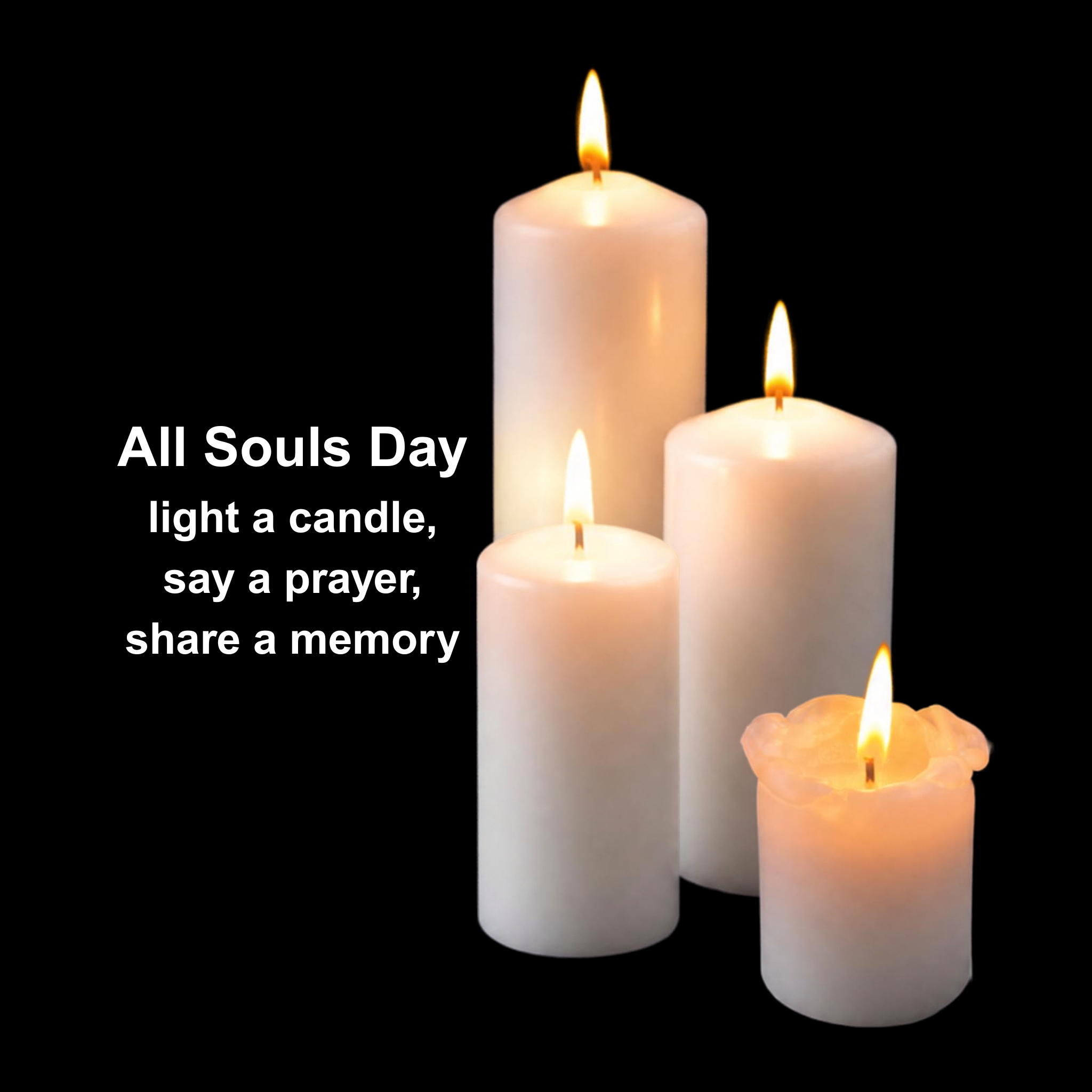
| All Saints’ Day and All Souls’ Day | Catholic Christianity | Candles are lit in churches, cemeteries, gravesides, and shrines to honour the saints and remember the faithful departed. |
| Baptisms, funerals, and memorial services | Christianity | Candles symbolise receiving the light of Christ, remembrance, prayer, hope, and belief in eternal life. |
| Diwali | Hinduism, Sikhism, Jainism, and some Buddhist communities | Diyas, candles, and lights are used in homes, temples, and public spaces to celebrate light over darkness, good over evil, and knowledge over ignorance. |
| Hanukkah | Judaism | A candle is lit on a hanukkiah each night of the eight-day festival, commemorating the rededication of the Second Temple and the miracle of the oil. |
| Vesak | Buddhism | Candles, lamps, and lanterns are offered in temples and processions to honour the birth, enlightenment, and passing of the Buddha. |
| Matariki | Māori / Aotearoa New Zealand | Candles, lanterns, ritual fires, and light displays may be used for remembrance, whānau gatherings, thanksgiving, and hopes for the future. |
| Obon / Bon Festival | Buddhist and Japanese tradition | Lanterns and candles are used to honour ancestors and guide ancestral spirits. |
| New Year gatherings | Religious, cultural, family, and community traditions | Candles may be lit for gratitude, remembrance, prayer for peace, and hope for the year ahead. |
Choosing candles for religious festivals and events
Different settings call for different candle types. Churches and chapels may need altar candles, sanctuary lamps, Paschal-style pillar candles, votive candles, tapers, tea lights, or candle holders. Community groups often prefer stable, low-maintenance options that are easy to use safely in shared spaces.
- For festivals and seasonal displays: decorative candles, lantern-style arrangements, tea lights, and bulk quantities for larger gatherings.
- For church worship: altar candles, sanctuary candles, processional tapers, and larger pillar candles for major services.
- For prayer stations: votive candles, tea lights, and glass votive holders.
- For memorials and vigils: small candles, tea lights, and stable holders for quiet remembrance.
- For community events: compact pillar candles, tapers in secure holders, and candlelight displays suited to supervised use.
Golden Glow Candles for religious and community use
Golden Glow Candles offers a range of church and religious candles suitable for churches, parishes, chapels, religious organisations, and community groups. Our range includes altar candles, sanctuary candles, pillar candles, taper candles, tea lights, votive candles, and candle holders.
Whether you are preparing for Advent, Christmas, Easter, a memorial service, a festival of light, or a prayer station, we can help you choose the right candle size, quantity, and holder for your venue.
Browse our full range of church and remembrance candles, or call us on 0800 CANDLE (0800 226 353) if you need help with quantities or specific product recommendations.